
Paraffin Wax: A Comprehensive Overview
Paraffin wax is a versatile petroleum-derived product obtained during the refining of crude oil. It consists primarily of saturated hydrocarbon molecules and is valued for its excellent moisture resistance, chemical stability, clean-burning properties, and wide range of industrial applications. Today, paraffin wax is one of the most widely used refinery products, serving industries including packaging, candle manufacturing, cosmetics, pharmaceuticals, food processing, textiles, rubber, agriculture, and industrial manufacturing.
Due to its outstanding physical characteristics and cost-effective production, paraffin wax has become an essential raw material in global manufacturing. Modern refineries produce various grades of paraffin wax to satisfy specific performance requirements, making it one of the most commercially significant petroleum waxes traded internationally.
What is Paraffin Wax?
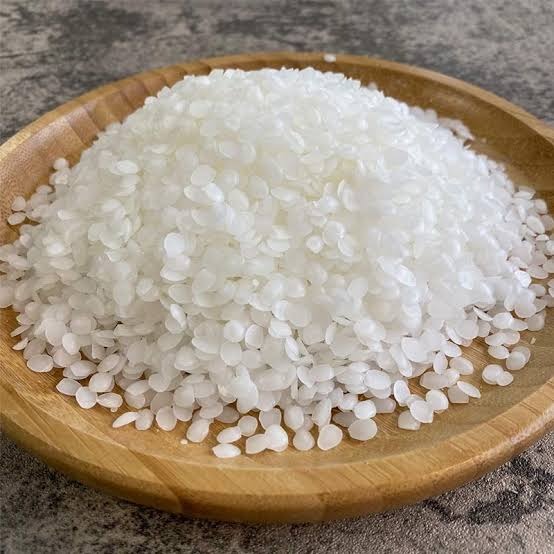
Paraffin wax is a white or colorless soft solid composed primarily of straight-chain saturated hydrocarbons known as alkanes. It is produced from lubricating oil fractions during petroleum refining through specialized separation, crystallization, and refining processes that remove oils, impurities, and unwanted compounds.
Depending on its intended application, paraffin wax may undergo additional refining steps to improve color, odor, oil content, and purity. Fully refined paraffin wax is commonly used in food packaging, cosmetics, pharmaceuticals, and premium candles, while semi-refined grades are widely utilized in industrial applications.
Production of Paraffin Wax
Paraffin wax is produced during the manufacture of lubricating base oils. After crude oil undergoes atmospheric and vacuum distillation, lubricating oil fractions are processed through solvent extraction and dewaxing units. During dewaxing, wax crystals are separated from the lubricating oil, creating slack wax that is further refined into commercial paraffin wax products.
Additional refining processes such as deoiling, hydrotreating, and filtration improve wax purity, color, odor, and chemical stability before final packaging and distribution.
Dewaxing Process
Wax crystals are separated from lubricating oil fractions using solvent dewaxing or catalytic dewaxing technologies.
Wax Refining
Slack wax undergoes deoiling and purification to improve melting point, appearance, and product consistency.
Final Processing
Finished paraffin wax is molded into slabs, pellets, granules, or pastilles depending on customer requirements and industrial applications.
Composition of Paraffin Wax
Commercial paraffin wax consists predominantly of saturated hydrocarbon compounds with carbon chain lengths generally ranging from C20 to C40. The exact composition varies depending on crude oil source, refinery processes, and product grade.
| Property | Typical Value |
|---|---|
| Appearance | White to Off-White Solid |
| Carbon Chain | C20 – C40 |
| Melting Point | 46 – 68°C |
| Oil Content | Below 0.5% (Fully Refined) |
| Density | 0.88 – 0.92 g/cm³ |
| Flash Point | Above 190°C |
| Solubility | Insoluble in Water |
| Odor | Odorless or Slight Petroleum Odor |
Types of Paraffin Wax
Paraffin wax is available in several commercial grades designed for different industrial, pharmaceutical, cosmetic, and manufacturing applications.
Fully Refined Paraffin Wax
High-purity wax containing less than 0.5% oil, widely used in food packaging, pharmaceuticals, cosmetics, and premium candle manufacturing.
Semi-Refined Paraffin Wax
Contains slightly higher oil content and is commonly used for industrial coatings, packaging materials, rubber processing, and general manufacturing.
Food Grade Paraffin Wax
Specially refined wax produced to meet food-contact regulations for packaging, fruit coatings, confectionery applications, and food preservation.
Industrial Paraffin Wax
Designed for applications requiring excellent moisture resistance, lubrication, waterproofing, and protective surface coatings.
Applications of Paraffin Wax
Paraffin wax is one of the most versatile petroleum-derived products available today. Its excellent insulating properties, moisture resistance, chemical stability, and ease of processing make it an essential raw material across numerous industries worldwide.
Candle Manufacturing
Paraffin wax is the primary raw material used in the production of household candles, decorative candles, scented candles, religious candles, and emergency lighting products due to its clean-burning characteristics and consistent melting behavior.
Packaging Industry
Used to coat paper, cardboard, and corrugated packaging materials, providing excellent moisture resistance, improved durability, and enhanced product protection during storage and transportation.
Cosmetics & Personal Care
Incorporated into creams, lotions, lip balms, depilatory waxes, and skincare formulations to improve texture, moisture retention, and product stability.
Pharmaceutical Industry
Utilized in ointments, medicinal coatings, controlled-release formulations, and protective pharmaceutical applications requiring high-purity refined wax.
Food Industry
Food-grade paraffin wax is used for fruit coatings, cheese preservation, confectionery applications, and food packaging to improve shelf life and reduce moisture loss.
Rubber & Tire Manufacturing
Acts as a protective additive that helps reduce ozone cracking, improves flexibility, and extends the service life of rubber products.
Advantages of Paraffin Wax
Paraffin wax continues to be one of the most widely used industrial waxes because of its exceptional balance of performance, availability, and affordability.
Excellent Moisture Barrier
Provides reliable protection against water penetration, making it ideal for packaging, coatings, and preservation applications.
High Chemical Stability
Resistant to oxidation and many chemical reactions, ensuring long storage life and consistent product quality.
Clean Burning
Fully refined paraffin wax burns with minimal smoke and excellent flame stability, making it the preferred choice for premium candle production.
Cost Effective
Readily available from petroleum refineries and economical for large-scale industrial manufacturing.
Storage and Transportation
Paraffin wax should be stored in cool, dry, well-ventilated facilities away from direct sunlight and sources of ignition. Depending on customer requirements, the product is supplied in slabs, pellets, granules, or pastilles and packaged in cartons, woven polypropylene bags, or bulk containers.
International shipments are commonly transported by truck, rail, shipping containers, or bulk cargo vessels while ensuring protection against excessive heat and physical contamination during transit.
Environmental Impact
Paraffin wax is a stable petroleum-derived material that can be safely used in a wide range of industrial and consumer applications when handled responsibly. Manufacturers continue to improve refining efficiency while reducing emissions and energy consumption during production.
Recycling Opportunities
Paraffin wax from certain industrial applications may be recovered, reprocessed, and reused, supporting more sustainable manufacturing practices.
Energy Efficiency
Continuous improvements in refinery technologies have enhanced production efficiency while reducing resource consumption during wax manufacturing.
Future Market Trends
Global demand for paraffin wax continues to grow due to expanding packaging, cosmetics, pharmaceutical, food processing, and industrial manufacturing sectors. Emerging markets are driving increased consumption while technological advancements continue to improve product quality and production efficiency.
High-purity refined paraffin wax is expected to remain an important refinery product as industries seek reliable materials with consistent physical properties for a broad range of commercial applications.
Conclusion
Paraffin wax remains one of the petroleum industry's most versatile and commercially valuable products. Its excellent physical properties, broad industrial applications, and dependable performance make it an indispensable material for manufacturers worldwide.
From candle production and food packaging to pharmaceuticals, cosmetics, and industrial coatings, paraffin wax continues to support innovation across numerous sectors while maintaining its position as one of the world's most widely traded petroleum-derived waxes.