
Introduction
Light Cycle Oil (LCO) is a strategically important refinery intermediate produced during the Fluid Catalytic Cracking (FCC) process. As a diesel-range hydrocarbon stream, LCO plays a critical role in modern fuel manufacturing, particularly in the production of low-sulfur and ultra-low sulfur diesel fuels.
Its effective management and upgrading enable refiners to maximize product value, improve fuel quality, and meet increasingly stringent environmental regulations. Because of its aromatic-rich composition and sulfur content, LCO requires specialized processing before it can be incorporated into premium transportation fuels.
Production of Light Cycle Oil
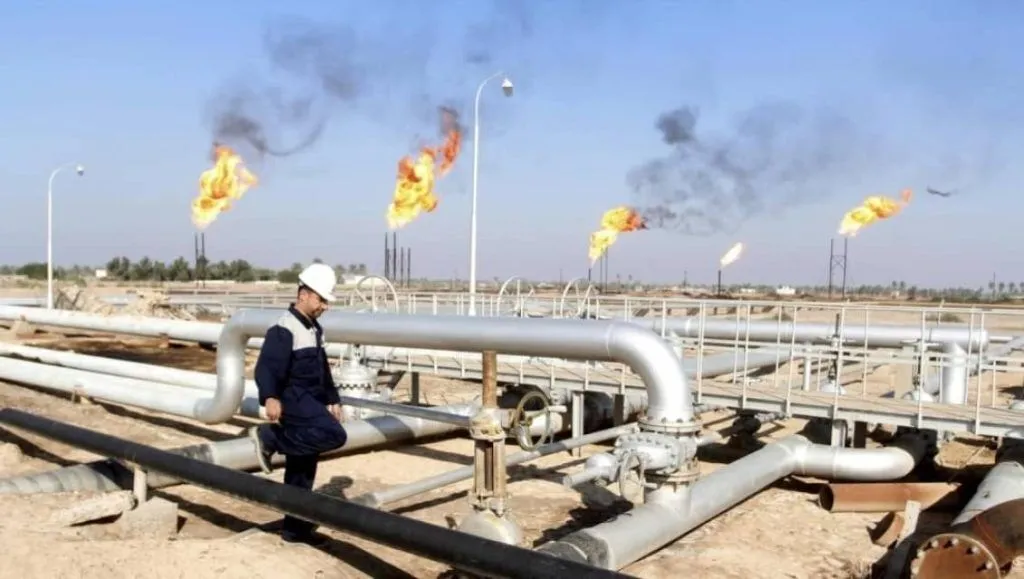
Light Cycle Oil is generated during the catalytic cracking of vacuum gas oil and other heavy hydrocarbon feedstocks within the Fluid Catalytic Cracking Unit (FCCU). The FCC process converts long-chain hydrocarbons into lighter, higher-value products including gasoline, LPG, olefins, and diesel-range streams.
FCC Conversion
Produced during catalytic cracking of heavy refinery feedstocks under controlled temperature and catalyst conditions.
Medium Conversion Mode
Balances gasoline, LPG and diesel-range product yields while minimizing low-value slurry oil production.
Slurry Oil Recovery
Additional diesel-range hydrocarbons can be recovered from FCC slurry streams, improving overall refinery economics.
Yield Optimization
Modern FCC operation maximizes valuable distillate production while reducing residual streams.
Upgrading Light Cycle Oil
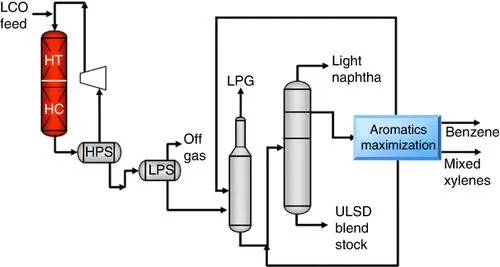
Raw LCO is not suitable for direct use as diesel fuel due to its relatively high sulfur content, aromatic composition, and low cetane number. Refiners therefore employ advanced upgrading technologies to improve fuel quality and regulatory compliance.
Diesel Hydrotreating
Removes sulfur, nitrogen and contaminants while improving cetane number and combustion characteristics.
Hydrocracking
Converts heavier aromatic molecules into high-value diesel, jet fuel and naphtha fractions.
Partial Conversion
Provides operational flexibility while generating low-sulfur diesel and gasoline blending components.
Product Recovery
Maximizes recovery of valuable hydrocarbons from secondary refinery streams.
Light Cycle Oil in Diesel Production
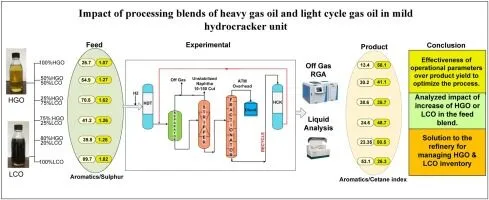
LCO represents one of the most valuable diesel-range feedstocks available to refiners. Following hydrotreatment, it can be converted into ultra-low sulfur diesel (ULSD) that complies with modern international fuel specifications.
As global diesel demand continues to expand, efficient LCO upgrading remains an essential component of refinery profitability and operational flexibility.
Control and Automation of FCCU for LCO Management
Modern FCCUs rely on advanced Distributed Control Systems (DCS) to maintain stable operation, maximize conversion efficiency, and regulate LCO production. Real-time monitoring of catalyst activity, feedstock quality, reactor temperature, and product yields enables refiners to respond rapidly to changing market conditions.
Economic and Market Considerations
Refiners must carefully balance gasoline and diesel production while selecting the most cost-effective upgrading technologies to maximize overall profitability.
Environmental Implications
LCO upgrading is closely linked to environmental compliance. Hydrotreating and hydrocracking significantly reduce sulfur levels, improve combustion performance, and contribute to lower particulate emissions.
These technologies allow refiners to meet increasingly strict fuel quality standards while supporting sustainability objectives.
Applications Beyond Diesel
Diesel Fuel Production
High-Octane Naphtha
Gasoline Blending
Industrial Burners
Power Generation
Refinery Feedstock
Conclusion
Light Cycle Oil remains one of the most valuable intermediate streams generated within modern refining operations. Through advanced upgrading technologies such as hydrotreating and hydrocracking, refiners can transform LCO into environmentally compliant diesel fuels, gasoline blending components, and other high-value products.
As fuel specifications continue to evolve and sustainability objectives become increasingly important, LCO will remain a critical component of refinery optimization strategies and global fuel supply chains.