
Gilsonite Industry Applications
Gilsonite is a naturally occurring hydrocarbon resin widely used across numerous industrial sectors. Its unique combination of high carbon content, excellent binding properties, chemical resistance, waterproofing capability, and compatibility with petroleum-based systems makes it a valuable additive in road construction, drilling operations, coatings, inks, foundries, roofing materials, and industrial manufacturing processes.
As industrial technologies continue to evolve, Gilsonite remains a preferred solution for improving product performance, durability, and cost efficiency. Its natural origin, environmental advantages, and versatile functionality allow manufacturers to replace more expensive synthetic additives while maintaining high-quality results.
Available Gilsonite Grades
Gilsonite is supplied in various grades based on ash content, moisture content, and particle size. Modern processing facilities can produce fine micronized powders suitable for specialized industrial applications requiring consistent particle distribution and superior dispersion characteristics.
| Grade | Ash Content | Moisture | Available Mesh Sizes |
|---|---|---|---|
| Premium Grade | Up to 5% | Up to 1% | 30, 40, 100, 300 |
| High Purity Grade | Up to 10% | Up to 1% | 30, 40, 100, 300 |
| Standard Grade | Up to 15% | Up to 1% | 30, 40, 100, 300 |
| Industrial Grade | Up to 20% | Up to 1% | 30, 40, 100, 300 |
| Economy Grade | Up to 25% | Up to 1% | 30, 40, 100, 300 |
Micronized Gilsonite in mesh sizes ranging from 100 to 300 is particularly valuable for coatings, inks, paints, drilling fluids, and specialty industrial applications where fine particle distribution is essential.
Major Industrial Applications
Road Construction & Asphalt
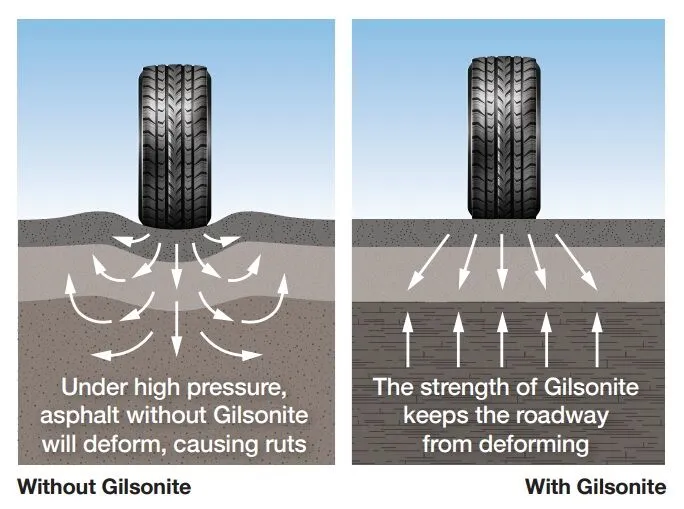
Enhances pavement durability, improves rutting resistance, increases asphalt stiffness, and extends road service life while reducing maintenance requirements.
Roof Insulation & Waterproofing
Improves waterproofing membranes, roofing sheets, and insulation materials through superior adhesion, flexibility, and impermeability.
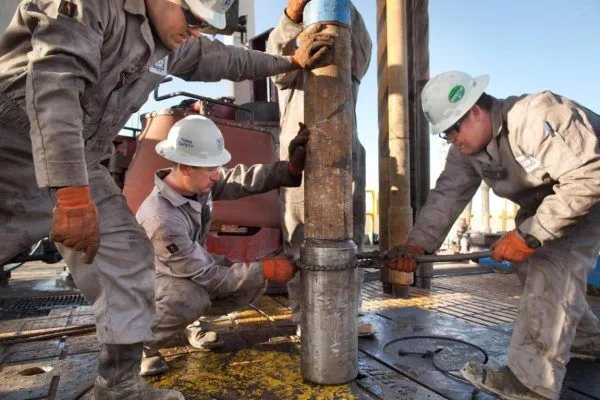
Oil Drilling & Cementing
Controls fluid loss, strengthens wellbores, improves cement slurries, reduces lost circulation, and enhances drilling efficiency.
Paints, Inks & Coatings
Provides superior gloss, pigment dispersion, corrosion resistance, waterproofing, and improved adhesion for industrial coatings.
Pipe Coating
Protects pipelines from corrosion, moisture penetration, and harsh environmental conditions while extending service life.
Foundry Applications
Produces smoother castings, improves mold release, reduces defects, and enhances surface finish in iron and steel foundries.
Gilsonite in Road Construction and Asphalt
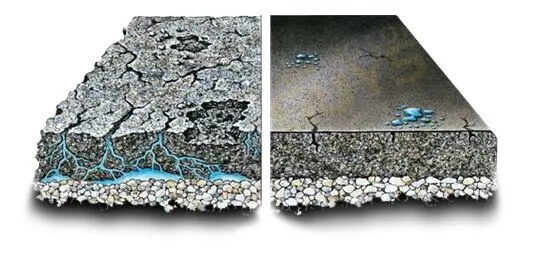
Gilsonite is one of the most effective asphalt modifiers available for modern road construction. When incorporated into asphalt mixtures, it improves stiffness, durability, resistance to rutting, and overall pavement performance without requiring significant changes to production processes.
Modified asphalt containing Gilsonite demonstrates greater load-bearing capacity, reduced deformation, improved resistance to water damage, and enhanced performance under heavy traffic conditions. It is widely used in highways, airports, industrial pavements, and high-performance road surfacing projects.
Roof Insulation and Waterproofing
Gilsonite blends exceptionally well with bitumen to produce high-performance roofing membranes, insulation sheets, and waterproofing systems. Its natural waterproofing characteristics provide long-term protection against moisture infiltration and weather exposure.
Excellent Adhesion
Creates strong bonding between roofing materials and substrates.
Long Service Life
Improves durability and weather resistance of roofing systems.
High Impermeability
Provides outstanding protection against water penetration.
Thermal Insulation
Contributes to improved insulation performance and energy efficiency.

Oil Drilling and Cementing Applications
Gilsonite is extensively used in drilling fluids and oil well cementing operations. In drilling systems, it functions as a fluid-loss control additive, shale stabilizer, wellbore strengthening agent, and lost circulation material.
In cementing operations, Gilsonite reduces slurry density while maintaining compressive strength. It improves zonal isolation, seals fractures, minimizes gas migration, and enhances the long-term integrity of oil and gas wells.
Paint, Ink and Coating Industry
Gilsonite has long been used as a high-performance additive in industrial coatings, printing inks, protective paints, and specialty formulations. Its excellent carbon black dispersion properties contribute to deep black coloration and improved print quality.
In coatings, Gilsonite enhances gloss, weather resistance, corrosion protection, adhesion, and durability. It is commonly used in anti-corrosion coatings, pipe coatings, storage tanks, roofing paints, and industrial protective systems.
Superior Gloss
Enhances surface appearance and finish quality.
Corrosion Resistance
Protects metal surfaces from environmental degradation.
Fast Drying
Improves manufacturing efficiency and productivity.
Enhanced Adhesion
Provides stronger bonding to various substrates.
Foundry and Industrial Manufacturing
Foundries worldwide utilize Gilsonite as an additive in molding sands to improve casting quality, mold release, and surface finish. Compared to traditional sea coal additives, Gilsonite generates more lustrous carbon and creates a superior reducing atmosphere during casting.
The result is cleaner castings with fewer defects, smoother surfaces, and reduced finishing work. These benefits make Gilsonite particularly valuable for high-quality iron and steel casting operations.
Gilsonite in Chemical Manufacturing
Gilsonite is widely used in the production of sealants, adhesives, specialty resins, graphite products, battery materials, and carbon-based industrial products. Its unique chemical structure allows it to function as both a binder and performance-enhancing additive.
It also contributes to the manufacture of advanced materials such as graphene, graphite electrodes, nano-carbon products, and weather-resistant industrial coatings designed for extreme environmental conditions.
Why Industries Choose Gilsonite
Natural Product
Derived from naturally occurring hydrocarbon deposits.
Cost Effective
Improves product performance while reducing overall production costs.
Environmentally Friendly
Provides a sustainable alternative to certain synthetic additives.
Multi-Industry Usage
Suitable for construction, energy, manufacturing, and chemical sectors.
High Performance
Enhances strength, durability, waterproofing, and chemical resistance.
Excellent Compatibility
Works effectively with petroleum products, resins, and industrial systems.
Conclusion
Gilsonite continues to play an important role across numerous industrial sectors due to its unique combination of natural performance characteristics, cost efficiency, and environmental advantages. From asphalt modification and drilling operations to coatings, foundries, roofing systems, and advanced manufacturing, Gilsonite consistently enhances product performance and operational efficiency.
As infrastructure development, energy exploration, and industrial manufacturing continue to expand globally, the demand for high-quality Gilsonite is expected to grow. Its versatility, reliability, and proven performance make it one of the most valuable naturally occurring industrial additives available today.