
Connecting Production to International Markets
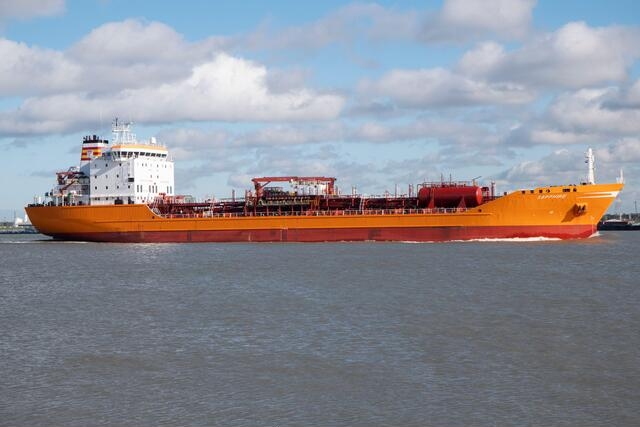
Karachaganak Field's transportation infrastructure forms an essential part of its integrated production system. Through dedicated pipeline networks, hydrocarbons are safely transported from processing facilities to export terminals, refineries, and international pipeline systems serving Europe and global energy markets.
Multiple transportation routes provide operational flexibility, strengthen supply reliability, and ensure efficient delivery of stabilized liquids and natural gas while supporting long-term energy security for customers worldwide.
Major Export Transportation Systems
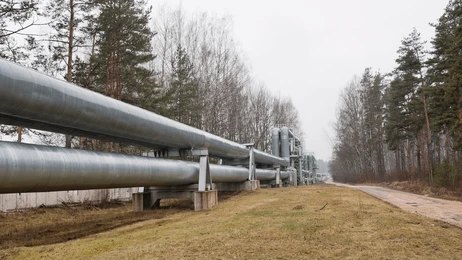
Four strategically connected transportation systems provide reliable export routes for hydrocarbons produced at Karachaganak Field, linking production facilities with regional processing plants, international pipeline networks, and global export terminals.
Karachaganak Atyrau Transportation System (KATS)
Operational since 2003, KATS transports stabilized liquid hydrocarbons from the Karachaganak Processing Complex to Atyrau through a 24-inch buried pipeline equipped with pumping stations and receiving facilities before connecting to export infrastructure.
Caspian Pipeline Consortium (CPC)
A major international pipeline extending approximately 1,510 km from Kazakhstan to the Black Sea export terminal at Novorossiysk, providing access to international markets through one of the region's most important crude oil transportation corridors.
Karachaganak Orenburg Transportation System (KOTS)
A network of five pipelines connecting the field to the Orenburg Gas Plant, transporting sour gas, stabilized liquids, and condensate for further processing and regional distribution.
Atyrau – Samara Link
An additional export connection linking the KATS system with the KazTransOil network and Russia's Transneft pipeline system, providing greater transportation flexibility and market access.
Karachaganak Atyrau Transportation System
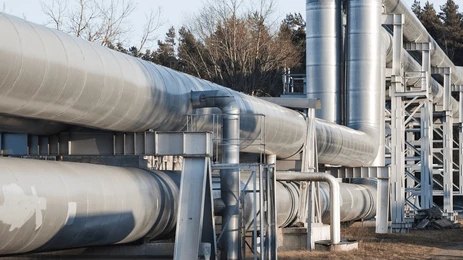
The Karachaganak Atyrau Transportation System (KATS) serves as the principal export route for stabilized liquid hydrocarbons produced at Karachaganak Field. The system transports production from the Karachaganak Processing Complex to Atyrau through a dedicated 24-inch underground pipeline.
Supporting infrastructure includes pumping stations located at Karachaganak Processing Complex and Bolshoi Chagan, together with receiving and storage facilities in Atyrau. From there, production is transferred into the Caspian Pipeline Consortium network for onward transportation to international export terminals.
Caspian Pipeline Consortium (CPC)
The Caspian Pipeline Consortium (CPC) is one of the world's most important crude oil transportation systems, providing a vital export corridor for hydrocarbons produced in Kazakhstan. Operational since 2001, the pipeline extends approximately 1,510 kilometers from Kazakhstan to the Black Sea export terminal at Novorossiysk.
Featuring large-diameter pipelines, multiple pumping stations, storage facilities, and a dedicated marine terminal, CPC enables efficient transportation of Karachaganak liquids to international markets while supporting long-term export reliability and commercial flexibility.
1,510 km Pipeline
One of the region's longest international crude oil export systems connecting Kazakhstan with the Black Sea.
Marine Export Terminal
Direct tanker loading facilities at Novorossiysk support global distribution to international energy markets.
High-Capacity Infrastructure
Large-diameter pipeline sections, pumping stations and storage facilities ensure dependable transportation.
International Partnership
Jointly supported by governments and leading international energy companies to strengthen regional energy exports.
Integrated Regional Transportation Network
Beyond its primary export systems, Karachaganak Field is supported by additional transportation infrastructure that strengthens operational flexibility, increases market access, and ensures continuous delivery of hydrocarbons to processing facilities and international pipeline networks.
Karachaganak Orenburg Transportation System (KOTS)
The KOTS network consists of five pipelines extending approximately 140 kilometers between Karachaganak Field and the Orenburg Gas Plant. Two 28-inch pipelines transport sour gas for processing, while three 14-inch pipelines handle stabilized liquids, unstabilized liquids, and additional gas transportation depending on operational requirements.
Atyrau – Samara Connection
At Bolshoi Chagan, the KATS system connects with the KazTransOil pipeline leading to Samara, providing direct access to Russia's Transneft pipeline network. This additional export route enhances transportation flexibility while expanding access to regional and international energy markets.
Reliable Infrastructure Supporting Global Energy Supply
Karachaganak Field's transportation network combines modern pipeline infrastructure, strategic export corridors, and international partnerships to ensure the safe and efficient movement of hydrocarbons from production facilities to customers around the world.
Integrated Export Network
Multiple interconnected pipeline systems improve operational reliability and export flexibility.
International Market Access
Direct connections to major regional and international pipeline networks provide efficient access to global customers.
Safe Operations
Modern transportation infrastructure is operated and maintained to support safe, reliable, and environmentally responsible hydrocarbon transportation.
Long-Term Reliability
Continuous maintenance and infrastructure development help ensure dependable energy transportation for decades to come.