
Calcined Petroleum Coke: A Comprehensive Overview
Calcined Petroleum Coke (CPC) is a high-purity carbon material produced by heating green petroleum coke to extremely high temperatures in specialized rotary kilns or shaft calciners. The calcination process removes moisture, volatile hydrocarbons, and other impurities while increasing carbon purity, electrical conductivity, and structural stability.
CPC is an essential industrial raw material used in aluminum smelting, steel manufacturing, graphite electrode production, titanium dioxide processing, and numerous carbon-intensive industries. Its high carbon content and excellent physical properties make it one of the world's most valuable carbon materials produced by petroleum refineries.
What is Calcined Petroleum Coke?
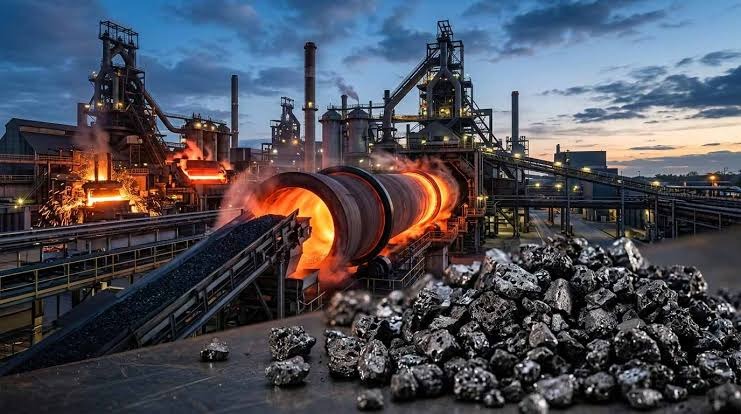
Calcined Petroleum Coke is produced by heating Green Petroleum Coke to temperatures typically ranging between 1200°C and 1350°C. This thermal treatment removes volatile matter, moisture, and residual hydrocarbons while increasing the fixed carbon content and improving electrical conductivity.
The resulting material possesses excellent thermal stability, low electrical resistivity, and high mechanical strength, making it indispensable for manufacturing carbon anodes, graphite electrodes, carbon raisers, and specialty carbon products.
Production Process
Green Petroleum Coke is carefully heated in rotary kilns or shaft calciners under controlled conditions. During calcination, volatile materials are driven off while the coke structure becomes denser, stronger, and more electrically conductive. The finished product is cooled, screened into different particle sizes, and prepared for industrial use.
Feed Preparation
Selected grades of Green Petroleum Coke are crushed, screened, and prepared for calcination according to customer specifications.
High-Temperature Calcination
Petroleum coke is heated above 1200°C, eliminating volatile compounds while improving carbon purity and crystalline structure.
Cooling & Screening
After calcination, the product is cooled, classified into different particle sizes, and packaged for industrial distribution.
Composition of Calcined Petroleum Coke
CPC is composed predominantly of fixed carbon with very low levels of volatile matter, moisture, and ash. Exact specifications vary depending on refinery feedstock and customer requirements.
| Property | Typical Value |
|---|---|
| Fixed Carbon | 98.0 – 99.5% |
| Volatile Matter | ≤0.5% |
| Sulfur | 0.3 – 3.5% |
| Ash | ≤0.5% |
| Moisture | ≤0.3% |
| Electrical Resistivity | Low |
| True Density | 2.00 – 2.10 g/cm³ |
| Particle Size | Customized Grades |
Types of Calcined Petroleum Coke
Calcined Petroleum Coke is available in multiple commercial grades designed to satisfy different industrial applications and carbon purity requirements.
Anode Grade CPC
Manufactured specifically for producing carbon anodes used in primary aluminum smelting operations.
Electrode Grade CPC
High-purity material used in graphite electrode manufacturing for electric arc furnace steel production.
Carbon Raiser Grade
Used to increase carbon content during steelmaking, foundry operations, and metallurgical processing.
Applications of Calcined Petroleum Coke
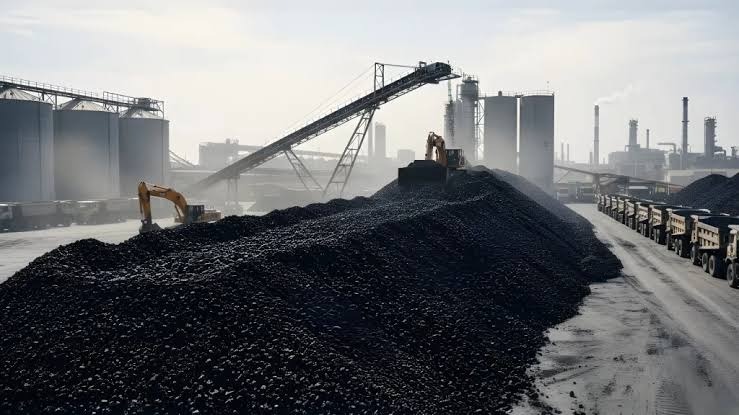
Calcined Petroleum Coke is one of the most important industrial carbon materials used worldwide. Its exceptionally high carbon content, low volatile matter, and excellent electrical conductivity make it indispensable across the aluminum, steel, metallurgical, and chemical industries.
Aluminum Smelting
CPC is the primary raw material used in manufacturing carbon anodes for the Hall-Héroult process, which is responsible for producing primary aluminum worldwide.
Graphite Electrodes
High-quality Calcined Petroleum Coke is blended with coal tar pitch to manufacture graphite electrodes used in electric arc furnaces for steel production.
Steel Manufacturing
Used as a carbon additive (carbon raiser) during steelmaking to adjust carbon levels and improve the mechanical properties of finished steel products.
Foundry Industry
Foundries use CPC during iron casting to increase carbon content and improve casting quality, strength, and metallurgical consistency.
Titanium Dioxide Production
Calcined Petroleum Coke serves as a reducing agent during the manufacture of titanium dioxide pigments used in paints, coatings, plastics, and paper.
Carbon Products
Used in manufacturing carbon blocks, specialty electrodes, brake materials, friction products, conductive materials, and advanced carbon components.
Advantages of Calcined Petroleum Coke
Calcined Petroleum Coke offers outstanding physical and chemical properties that make it one of the most valuable industrial carbon materials available today.
High Carbon Purity
Typically containing more than 98% fixed carbon, CPC delivers outstanding performance in metallurgical and electrochemical applications.
Excellent Electrical Conductivity
The calcination process improves crystalline structure, producing material with low electrical resistivity for electrode manufacturing.
Low Volatile Matter
Thermal treatment removes volatile hydrocarbons, resulting in cleaner processing and more consistent industrial performance.
High Thermal Stability
CPC maintains structural integrity under extremely high operating temperatures, making it suitable for demanding metallurgical processes.
Storage and Transportation
Calcined Petroleum Coke should be stored in dry, covered facilities to minimize moisture absorption and contamination. Although chemically stable, protecting the material from excessive dust, water, and foreign particles helps preserve product quality during long-term storage.
Commercial shipments are commonly transported in bulk vessels, bulk trucks, rail wagons, jumbo bags, one-ton bulk bags, or customized packaging depending on customer requirements and international logistics arrangements.
Environmental Impact
Modern calcination facilities incorporate advanced combustion technologies, heat recovery systems, and emission control equipment to improve production efficiency while reducing environmental impact. Responsible handling and dust control measures further minimize emissions during transportation and storage.
Dust Management
Proper enclosure, ventilation systems, and dust suppression techniques help minimize airborne carbon particles during material handling and processing.
Energy Recovery
Many modern calcining plants recover waste heat generated during production to improve overall energy efficiency and reduce operating costs.
Future Market Trends
Global demand for Calcined Petroleum Coke is expected to remain strong due to continued growth in aluminum production, electric arc furnace steelmaking, battery materials, and specialty carbon manufacturing. Expanding infrastructure development and increasing demand for lightweight aluminum products continue to support long-term market growth.
As industries pursue greater efficiency and higher-quality carbon materials, producers are investing in advanced calcination technologies to improve product consistency, reduce emissions, and meet increasingly stringent customer specifications.
Conclusion
Calcined Petroleum Coke is a premium carbon product that plays a vital role in aluminum smelting, steelmaking, graphite electrode manufacturing, and numerous industrial processes. Its high carbon purity, excellent conductivity, and superior thermal stability make it one of the world's most valuable petroleum-derived carbon materials.
With growing global demand for aluminum, specialty carbon products, and advanced manufacturing, Calcined Petroleum Coke is expected to remain an essential industrial raw material supporting modern infrastructure, transportation, and energy development for decades to come.