
Bitumen Penetration Grade
Bitumen Penetration Grade is one of the most widely used paving-grade bitumens in the world, specifically designed for road construction and asphalt pavement applications. It is classified according to its penetration value, which measures the depth a standard needle penetrates the bitumen under controlled conditions, indicating its hardness and consistency.
Available in various grades including 30/40, 40/50, 60/70, 80/100, 85/100, 100/120, and 160/220, penetration grade bitumen enables engineers to select the most suitable binder based on climate conditions, traffic loads, and project requirements.

What is Bitumen Penetration Grade?
Bitumen Penetration Grade is a petroleum-derived binder produced through the refining and oxidation of vacuum residue obtained from crude oil distillation. The grading system was developed to classify bitumen according to its consistency and hardness, making it easier to determine suitability for specific paving and industrial applications.
Lower penetration values indicate harder bitumen suitable for hotter climates and heavier traffic, while higher penetration values indicate softer bitumen better suited for colder environments.
Common Penetration Grades
| Grade | Consistency | Climate Suitability | Typical Applications |
|---|---|---|---|
| 30/40 | Very Hard | Hot climates | Heavy-duty highways and airports |
| 40/50 | Hard | Warm climates | Road construction and industrial paving |
| 60/70 | Medium | Moderate climates | General road paving |
| 80/100 | Soft | Cool climates | Flexible pavement systems |
| 85/100 | Soft | Moderate to cool climates | Road surfacing applications |
| 100/120 | Very Soft | Cold climates | Light traffic roads |
| 160/220 | Extra Soft | Very cold climates | Specialized paving projects |
Primary Applications
Approximately 70% of global bitumen consumption is dedicated to road construction, where it serves as the binding agent that holds aggregates together to form durable asphalt pavements.
Road Construction
Used as the primary binder in asphalt mixtures for highways, roads, and urban streets.
Airport Runways
Provides durable pavement surfaces capable of withstanding heavy aircraft loads.
Parking Areas
Delivers long-lasting performance in commercial and residential parking facilities.
Waterproofing Systems
Used in roofing felts, membranes, and moisture protection applications.
Bridge Decks
Offers excellent adhesion and waterproofing properties for bridge infrastructure.
Industrial Applications
Utilized in coatings, insulation products, and specialized construction materials.
Road Surface Types
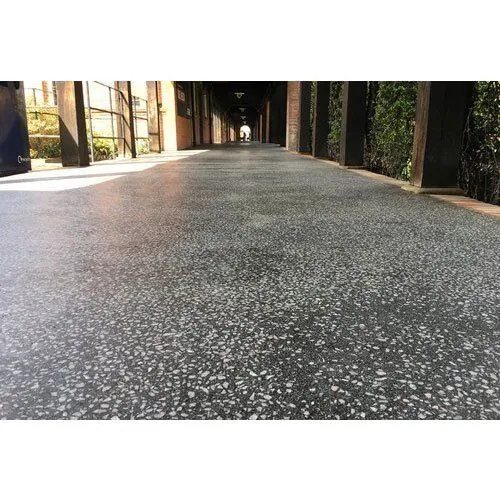
Metalled Roads
Engineered roadways constructed with asphalt or other surfacing materials designed to withstand continuous vehicle traffic and varying weather conditions.
Unmetalled Roads
Roads constructed from gravel, soil, or aggregate materials that provide basic access with lower construction costs but reduced durability.
Advantages of Penetration Grade Bitumen
Excellent Adhesion
Creates strong bonds with mineral aggregates for durable asphalt mixtures.
Weather Resistance
Provides reliable performance under varying environmental conditions.
Flexible Performance
Accommodates thermal expansion and contraction without cracking.
Water Resistance
Protects pavement structures from moisture infiltration and damage.
Cost Efficiency
Offers an economical solution for large-scale infrastructure projects.
Multiple Grade Options
Allows precise grade selection based on climate and traffic requirements.
Asphalt Concrete Production
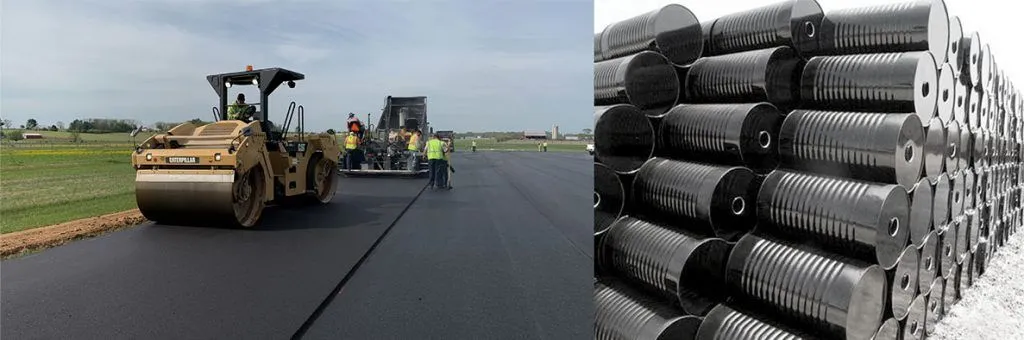
Asphalt concrete is produced by combining mineral aggregates with penetration grade bitumen. The mixture is heated, laid in layers, and compacted to create strong, flexible, and durable pavement structures.
Modern asphalt pavements are widely used for highways, airports, parking facilities, industrial yards, and urban infrastructure due to their smooth ride quality, long service life, and ease of maintenance.
Why Choose Penetration Grade Bitumen?
- Globally recognized paving grade specification.
- Suitable for a wide range of climatic conditions.
- Reliable performance under varying traffic loads.
- Excellent durability and long-term pavement life.
- Available in multiple grades for project-specific requirements.
- Widely accepted by international road construction standards.
Conclusion
Bitumen Penetration Grade remains one of the most trusted and widely used binders in modern road construction. Its grading system provides a practical method for selecting the appropriate bitumen hardness and consistency according to environmental and traffic conditions.
With excellent adhesion, flexibility, durability, and waterproofing characteristics, penetration grade bitumen continues to support the development of reliable transportation infrastructure worldwide. Its adaptability across multiple grades ensures optimal pavement performance for projects ranging from local roads to major highway networks.