
Vacuum Gas Oil (VGO): A Comprehensive Overview
Vacuum Gas Oil (VGO) is one of the most valuable intermediate products produced during crude oil refining. It serves as a primary feedstock for conversion units such as Fluid Catalytic Cracking (FCC) and Hydrocracking, where it is transformed into high-value transportation fuels including gasoline, diesel, jet fuel, and liquefied petroleum gas (LPG). As global demand for cleaner fuels continues to increase, VGO remains an essential component of modern refinery operations and downstream petroleum processing.
Produced from the vacuum distillation of atmospheric residue, Vacuum Gas Oil contains heavy hydrocarbon molecules that are too large for direct use as transportation fuels but are ideal for catalytic conversion into lighter petroleum products. Because of its versatility and high conversion potential, VGO is actively traded across international energy markets and is considered one of the most important refinery feedstocks worldwide.
What is Vacuum Gas Oil?
Vacuum Gas Oil (VGO) is a heavy petroleum fraction obtained during the vacuum distillation stage of crude oil refining. After crude oil undergoes atmospheric distillation, the remaining heavy residue is introduced into a vacuum distillation unit (VDU), where reduced pressure allows additional separation without causing thermal cracking of the hydrocarbons.
Under vacuum conditions, heavy hydrocarbon molecules boil at significantly lower temperatures, enabling refiners to recover valuable gas oils while minimizing product degradation. The recovered VGO serves as an excellent feedstock for secondary conversion processes that maximize the production of premium transportation fuels.
How Vacuum Gas Oil is Produced
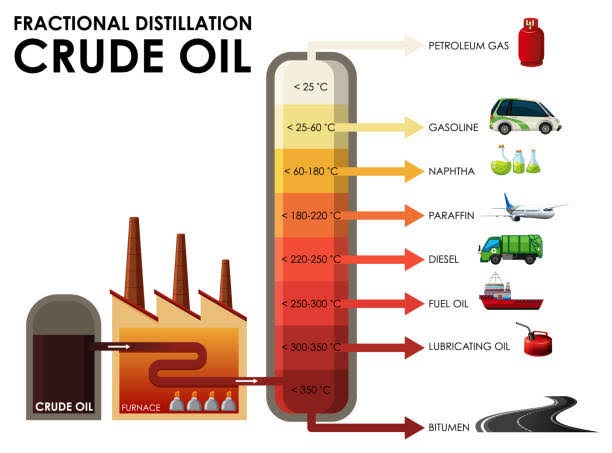
The production of Vacuum Gas Oil begins after atmospheric distillation. The heavy atmospheric residue, commonly referred to as atmospheric bottoms, enters a Vacuum Distillation Unit (VDU). Operating under reduced pressure prevents excessive temperatures that could crack the heavy hydrocarbons.
Atmospheric Distillation
Crude oil is separated into lighter fractions such as LPG, naphtha, kerosene and diesel, leaving behind atmospheric residue.
Vacuum Distillation
The atmospheric residue is distilled under vacuum conditions to recover valuable heavy gas oils without thermal decomposition.
Secondary Conversion
The resulting Vacuum Gas Oil is processed through Fluid Catalytic Cracking (FCC) or Hydrocracking units to maximize production of high-value fuels.
Physical and Chemical Properties
The characteristics of Vacuum Gas Oil vary depending on crude oil origin, refinery configuration, and operating conditions. However, most commercial VGOs share similar physical and chemical properties.
| Property | Typical Value |
|---|---|
| Appearance | Dark Brown to Black Liquid |
| Density @15°C | 0.88 – 0.96 g/cm³ |
| Boiling Range | 340 – 565°C |
| Sulfur Content | 0.3 – 3.5 wt% |
| Viscosity @50°C | 20 – 120 cSt |
| Flash Point | >120°C |
| Pour Point | -6°C to 30°C |
| Carbon Residue | 0.2 – 2.0 wt% |
Types of Vacuum Gas Oil
Light Vacuum Gas Oil (LVGO)
A lighter fraction with lower boiling temperatures and higher yields of gasoline and middle distillates after catalytic cracking.
Heavy Vacuum Gas Oil (HVGO)
A heavier fraction containing larger hydrocarbon molecules, commonly processed through hydrocrackers and FCC units to maximize conversion efficiency.
Hydrotreated VGO
Vacuum Gas Oil that has undergone hydrotreating to reduce sulfur, nitrogen and metal content, improving downstream catalyst performance.
Industrial Applications
Vacuum Gas Oil is one of the most important refinery feedstocks due to its ability to be converted into numerous valuable petroleum products.
Fluid Catalytic Cracking (FCC)
The largest application of VGO, producing gasoline, LPG, propylene and light olefins used in transportation fuels and petrochemical manufacturing.
Hydrocracking
Produces ultra-low sulfur diesel, premium jet fuel and high-quality middle distillates for global energy markets.
Petrochemical Feedstock
Selected VGO streams are processed to produce valuable petrochemical intermediates and specialty hydrocarbon products.
Refinery Blending
Certain grades may be incorporated into refinery blending operations depending on process requirements and product specifications.
Advantages of Vacuum Gas Oil
High Conversion Value
Generates high yields of gasoline, diesel and jet fuel during catalytic conversion.
Excellent Refinery Feedstock
Provides flexibility for FCC and hydrocracking operations across modern refineries.
Global Market Demand
Traded internationally due to its importance in maximizing refinery profitability and fuel production.
Storage and Transportation
Vacuum Gas Oil is typically stored in carbon steel tanks equipped with heating systems to maintain pumpability and appropriate viscosity. Depending on ambient temperatures and product specifications, insulated storage may be required.
International shipments are commonly transported by ocean-going tankers, pipelines, rail tank cars, barges, and road tank trucks in accordance with applicable industry standards and safety regulations.
Safety and Environmental Considerations
Although Vacuum Gas Oil is stable under normal storage conditions, safe handling practices are essential. Personnel should use appropriate personal protective equipment (PPE) and follow applicable industrial safety procedures during storage, transfer and processing.
Environmental protection measures should include spill prevention, containment systems and proper waste management. Compliance with local and international environmental regulations helps minimize operational risks and protect surrounding ecosystems.
Frequently Asked Questions
Is Vacuum Gas Oil a finished fuel?
No. Vacuum Gas Oil is an intermediate refinery feedstock that requires further processing before becoming finished petroleum products.
What products are made from VGO?
VGO is converted into gasoline, diesel, jet fuel, LPG, petrochemical feedstocks and other valuable refined products through catalytic conversion processes.
Why is VGO important?
It enables refineries to maximize the value of crude oil by converting heavy fractions into cleaner, higher-value fuels and petrochemical feedstocks.
Conclusion
Vacuum Gas Oil is a cornerstone of modern petroleum refining, bridging the gap between crude oil distillation and the production of high-value transportation fuels. Its unique composition and exceptional conversion potential make it indispensable for Fluid Catalytic Cracking and hydrocracking operations across refineries worldwide.
As refiners continue to improve efficiency and produce cleaner fuels, Vacuum Gas Oil will remain one of the industry's most strategic intermediate products, supporting energy security and the global supply of gasoline, diesel, aviation fuels and petrochemical feedstocks.