
Bitumen Cutback Grades
Bitumen Cutback Grades are specially formulated asphalt products created by blending penetration grade bitumen with petroleum solvents. The addition of these solvents temporarily reduces the viscosity of the bitumen, allowing it to be applied at lower temperatures without extensive heating. This makes cutback bitumen an effective solution for road construction, maintenance, surface treatment, and waterproofing applications.
Depending on the evaporation rate of the solvent used, cutback bitumen is classified into three primary categories: Rapid Curing (RC), Medium Curing (MC), and Slow Curing (SC). Each grade is designed to meet specific construction requirements and environmental conditions.
What is Cutback Bitumen?
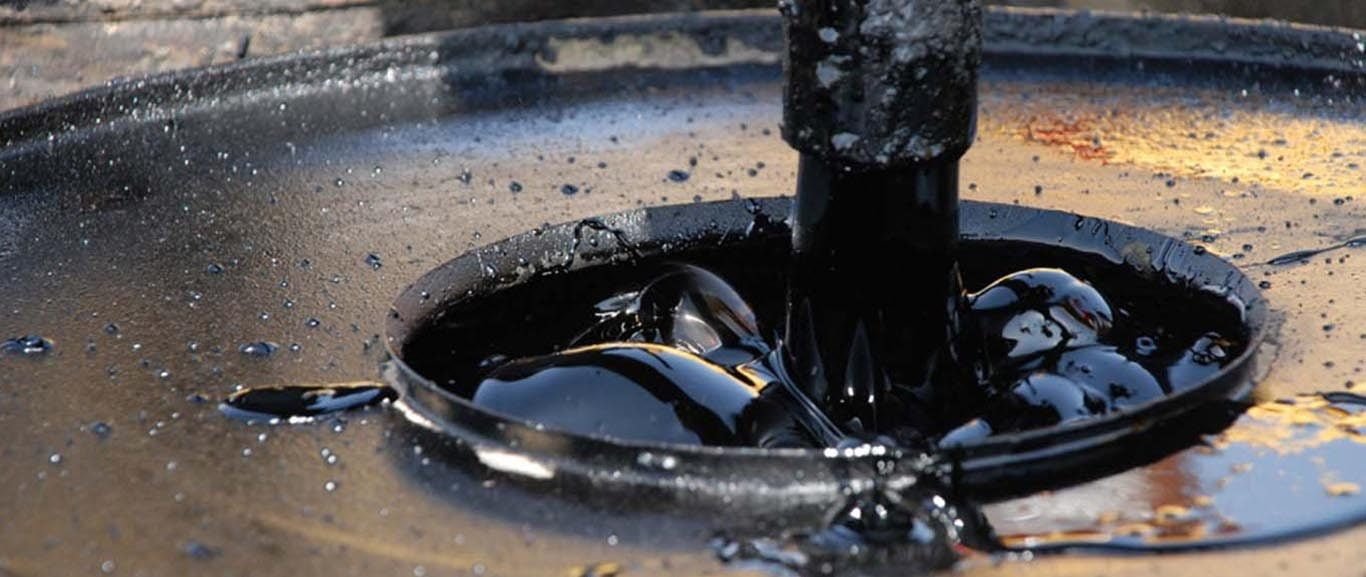
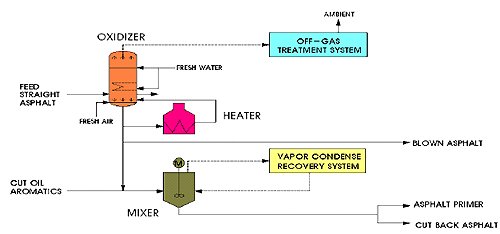
Cutback bitumen is produced by mixing asphalt cement with petroleum-based solvents known as cutter stock, diluents, or distillates. These solvents lower the viscosity of the asphalt, making it easier to spray, penetrate surfaces, and coat aggregates at ambient temperatures.
Lower Viscosity
Allows easier application without excessive heating requirements.
Improved Penetration
Enhances bonding with aggregates and porous surfaces.
Efficient Construction
Facilitates rapid road maintenance and surface treatment operations.
Classification of Cutback Grades
| Grade Type | Curing Speed | Typical Solvent | Main Applications |
|---|---|---|---|
| Rapid Curing (RC) | Fast | Gasoline / Naphtha | Tack coats, chip seals, surface treatments |
| Medium Curing (MC) | Moderate | Kerosene | Mixing with aggregates, stabilization works |
| Slow Curing (SC) | Slow | Heavy Distillate Oils | Prime coats, stockpile mixes, waterproofing |
Rapid Curing (RC) Cutback Bitumen
Rapid Curing Cutback Bitumen is manufactured by blending asphalt cement with highly volatile solvents such as gasoline or naphtha. These solvents evaporate quickly after application, allowing the asphalt residue to cure rapidly and develop strong adhesion.
Common grades include RC-30, RC-70, RC-250, RC-800, and RC-3000. The viscosity of each grade depends on the ratio of solvent to asphalt cement.
RC-30
Light viscosity grade suitable for surface treatment applications.
RC-70
Widely used for waterproofing surfaces and coating mineral particles.
RC-250 to RC-3000
Higher viscosity grades used for specialized paving and sealing operations.
Medium Curing (MC) Cutback Bitumen
Medium Curing Cutback Bitumen is formulated using asphalt cement and petroleum solvents that evaporate at a moderate rate. These grades provide sufficient working time for mixing and placement while still offering effective curing performance.
Typical grades include MC-30, MC-70, MC-250, MC-800, and MC-3000. Medium curing grades are commonly used where aggregate mixing and stabilization operations require additional workability.
Tack Coats
Provides excellent bonding between pavement layers.
Fog Seals
Protects pavement surfaces and extends service life.
Soil Stabilization
Improves the strength and durability of road foundations.
Slow Curing (SC) Cutback Bitumen
Slow Curing Cutback Bitumen, commonly known as Road Oil, is produced by blending bitumen with heavy petroleum distillates of low volatility. Because the solvent evaporates slowly, these grades provide extended penetration and coating capability.
Common grades include SC-70, SC-250, SC-800, and SC-3000. These products are particularly effective for prime coats, waterproofing applications, stockpile mixes, and patching materials.
Applications of Cutback Bitumen
Prime Coats
Penetrates and seals granular base layers before paving.
Tack Coats
Creates strong adhesion between pavement layers.
Surface Dressing
Provides protective treatment for road surfaces.
Waterproofing
Protects structures and surfaces from moisture infiltration.
Patching Mixtures
Supports road maintenance and repair operations.
Soil Stabilization
Improves foundation strength for transportation infrastructure.
Environmental Considerations
The use of cutback bitumen has gradually declined in many regions due to environmental concerns associated with volatile organic compounds (VOCs) released during solvent evaporation. These emissions contribute to air pollution and increase environmental compliance requirements.
| Challenge | Impact |
|---|---|
| VOC Emissions | Petroleum solvents evaporate into the atmosphere during curing. |
| Energy Consumption | Solvent production requires significant energy resources. |
| Cost Factors | Petroleum solvents are generally more expensive than water-based alternatives. |
| Industry Shift | Many projects now favor bitumen emulsions for environmental compliance. |
Advantages of Cutback Bitumen
| Benefit | Description |
|---|---|
| Cold Application | Can be applied without extensive heating. |
| Excellent Penetration | Effectively seals porous surfaces and granular layers. |
| Strong Adhesion | Provides reliable bonding between aggregates and pavement layers. |
| Versatile Use | Suitable for maintenance, waterproofing, sealing, and paving applications. |
| Wide Grade Selection | Available in multiple curing speeds to suit project requirements. |
Conclusion
Bitumen Cutback Grades remain an important solution for road construction, pavement maintenance, and waterproofing applications. Through the controlled addition of petroleum solvents, cutback bitumen offers improved workability, penetration, and application flexibility compared to conventional asphalt products.
Whether utilizing Rapid Curing grades for surface treatments, Medium Curing grades for stabilization works, or Slow Curing grades for prime coats and waterproofing, engineers can select the most suitable formulation for specific project requirements. Although environmental considerations have encouraged the adoption of alternative technologies such as bitumen emulsions, cutback bitumen continues to provide reliable performance in specialized infrastructure applications worldwide.