
Petroleum Coke: A Comprehensive Overview
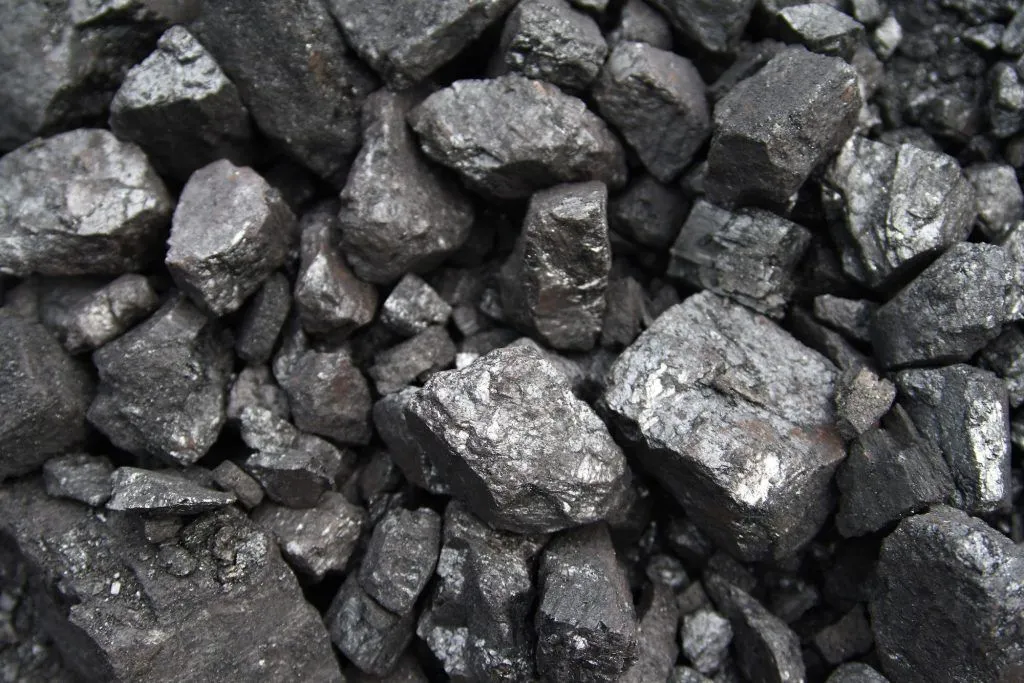
Petroleum coke (Petcoke) is a carbon-rich solid material produced as a byproduct of petroleum refining. It is one of the various types of coke derived from petroleum and plays a critical role in energy production, aluminum manufacturing, steelmaking, cement production, and numerous industrial processes.
Due to its high carbon content and energy density, petroleum coke has become an important industrial commodity worldwide. It serves both as a fuel source and as a raw material for producing carbon products such as electrodes and anodes.
What is Petroleum Coke?
Petroleum coke is produced during crude oil refining. Heavy hydrocarbon residues are subjected to thermal cracking processes that break long-chain hydrocarbons into lighter products such as gasoline, diesel, and gases while leaving behind a carbon-rich solid residue known as petcoke.
The coking process transforms lower-value refinery residues into valuable products while generating petroleum coke as a secondary product. Its exceptionally high carbon concentration makes it suitable for industries requiring high-purity carbon materials.

Composition of Petroleum Coke
Petroleum coke consists primarily of carbon but also contains varying amounts of hydrogen, sulfur, nitrogen, chlorine, and trace metals such as vanadium and nickel.
| Component | Typical Content |
|---|---|
| Carbon (C) | 90 – 97% |
| Hydrogen (H) | 1.5 – 8% |
| Nitrogen (N) | 0.1 – 0.5% |
| Sulfur (S) | 0.2 – 6% |
| Chlorine (Cl) | Trace Amounts |
Green Coke
Raw petroleum coke produced directly from coking units containing higher levels of sulfur, nitrogen, and volatile hydrocarbons.
Calcined Coke
Produced by heating green coke to 1200–1400°C, removing volatile compounds and increasing carbon purity for industrial applications.
The Coking Process
Petroleum coke is produced through thermal cracking processes within refinery coker units. The two principal production technologies are delayed coking and fluidized-bed coking.
Delayed Coking
The most common method, operating at temperatures between 450°C and 500°C. Heavy hydrocarbons are cracked into lighter products while solid coke accumulates as residue.
Fluidized Bed Coking
Uses fluidized coke particles to improve heat transfer efficiency and accelerate cracking of heavy petroleum fractions.
Types of Petroleum Coke
Petroleum coke is classified into four major categories based on structure, purity, and end-use applications.
Needle Coke
Highly crystalline petroleum coke used in manufacturing graphite electrodes for aluminum and steel production.
Honeycomb Coke
Porous coke with honeycomb-like structures commonly used for industrial fuel and anode production.
Sponge Coke
Rough-textured petroleum coke used in energy generation and industrial fuel applications.
Shot Coke
Dense spherical coke particles produced during rapid cooling of heavy feedstocks.

Applications of Petroleum Coke
The high carbon content and excellent calorific value of petroleum coke make it valuable across multiple industries.
Fuel Source
Used in power generation, cement plants, industrial boilers, and energy-intensive processes.
Anode Production
Calcined coke is essential for manufacturing aluminum anodes and steelmaking electrodes.
Carbon Products
Used in graphite electrodes, activated carbon, carbon black, and other advanced carbon materials.
Environmental Impact
Petroleum coke combustion can release carbon dioxide (CO₂), sulfur dioxide (SO₂), nitrogen oxides (NOx), and trace metal emissions. Due to its high carbon concentration, petcoke typically produces more CO₂ per unit of energy than coal.
Sulfur Emissions
Sulfur present in petroleum coke can contribute to sulfur dioxide formation during combustion, increasing environmental and regulatory challenges.
Trace Metals
Vanadium, nickel, and other metals may be present depending on crude oil feedstock and refinery processing methods.
Future Market Trends
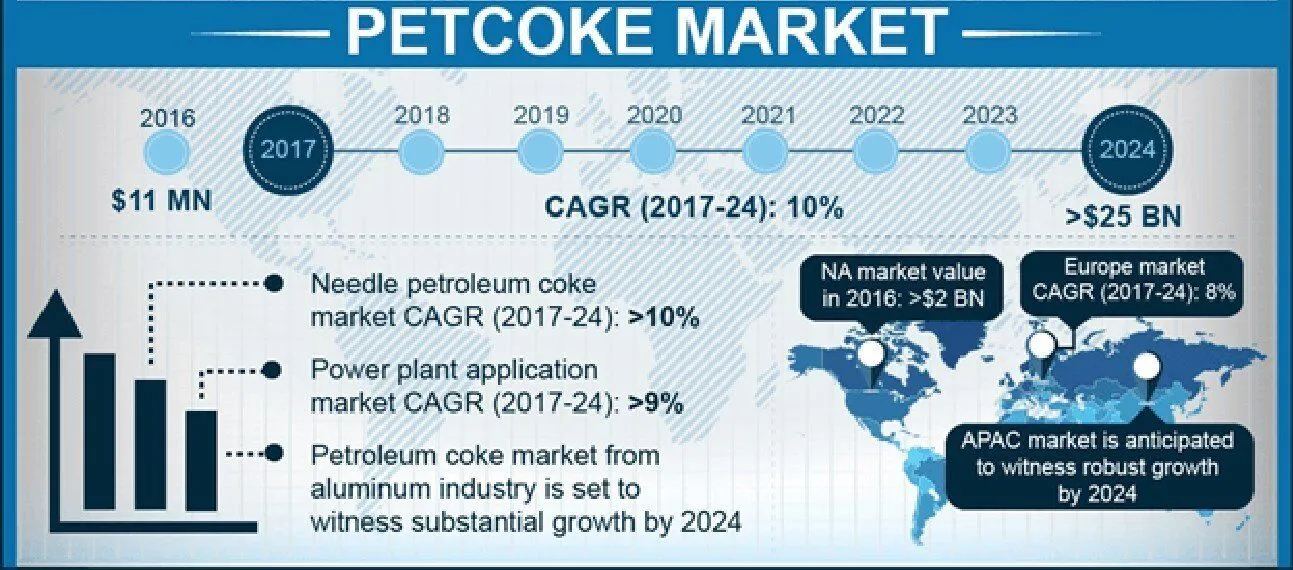
Growing environmental regulations and decarbonization initiatives are encouraging refiners and industrial users to improve petroleum coke quality and reduce emissions.
Despite these challenges, demand for high-purity calcined coke remains strong due to continued growth in aluminum, steel, and battery material industries.
Conclusion
Petroleum coke remains an important industrial fuel and carbon material worldwide. Its high carbon content, versatility, and economic advantages make it essential for power generation, aluminum production, steelmaking, and numerous manufacturing applications.
While environmental concerns related to carbon emissions and sulfur content continue to shape industry practices, petroleum coke is expected to remain a critical refinery product and industrial feedstock for the foreseeable future.